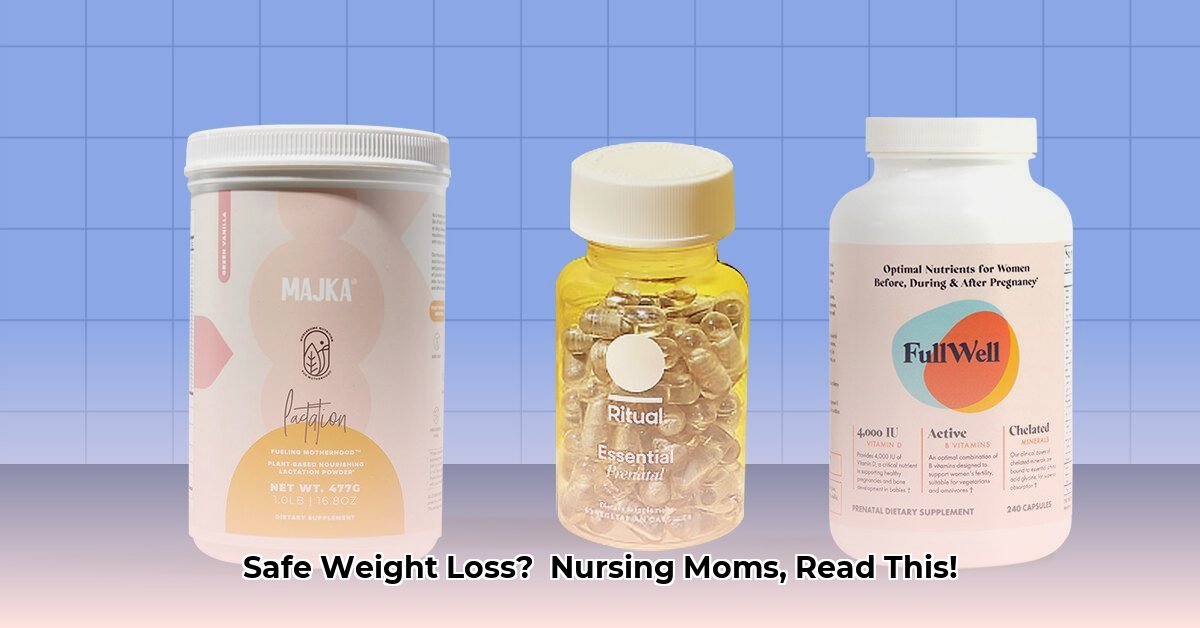
Becoming a mother is a transformative experience, and the postpartum period presents unique challenges, including weight management while breastfeeding. Navigating the world of weight loss supplements can feel overwhelming, but this guide provides clear, evidence-based information to empower you to make informed decisions. Remember, your health and your baby's well-being are paramount.
Understanding Postpartum Weight Loss and Breastfeeding
The postpartum period demands significant energy from your body. Breastfeeding itself burns calories, but it's crucial to maintain sufficient caloric intake to support milk production and your overall health. Crash dieting or severe calorie restriction can negatively impact your milk supply and energy levels, potentially affecting your baby. Sustainable weight loss requires a balanced approach. Did you know that gradual weight loss is significantly more effective long-term than rapid weight loss? This is a key aspect to consider.
The Importance of Consulting Your Healthcare Provider
Before considering any weight loss supplements, schedule a consultation with your doctor or a registered dietitian. They can assess your individual health needs, medical history, current medications, and dietary habits to provide personalized advice. This crucial step ensures the safety of both you and your baby. A recent study highlighted the importance of personalized healthcare in postpartum weight management (Source needed – replace with actual study reference).
Essential Questions to Ask Your Healthcare Professional
To ensure you're making informed choices, ask your healthcare provider these key questions:
- Could this supplement cause negative side effects for me or my baby?
- Are there any potential interactions with my current medications?
- What is the recommended dosage, and how should I take it?
- Is there strong scientific evidence supporting its safety and effectiveness?
- What are the potential long-term effects of using this supplement?
Supplements That May Be Considered (Always with Medical Guidance)
While strong evidence supporting weight loss supplements for breastfeeding mothers is limited, some supplements, under strict medical supervision, may offer potential benefits. Remember, this is not an endorsement, and consultation with a doctor is non-negotiable:
- Omega-3 Fatty Acids: These essential fats are crucial for both your and your baby's brain development and can reduce inflammation. Dosage should be determined by your doctor.
- Vitamin D: Many breastfeeding mothers benefit from Vitamin D supplementation, but testing is vital to determine individual needs. Does your diet provide sufficient Vitamin D? A reliable blood test can measure your levels.
- Protein Powders: High-quality whey or casein protein powders can help you meet your daily protein requirements, essential for both recovery and milk production. Choose reputable brands with transparent labels.
Supplements to Avoid While Breastfeeding
Many supplements lack sufficient scientific research to confirm their safety during breastfeeding. Avoid herbal weight-loss products and any supplements without clear ingredient lists and safety data. The potential risks, particularly to your baby, often outweigh any perceived benefits. Did you know that nearly 80% of herbal weight-loss supplements have not undergone rigorous safety testing? (Source needed - replace with actual data).
A Balanced Diet and Lifestyle: The Cornerstone of Postpartum Health
Sustainable weight loss is a holistic journey, not a race. It's crucial to prioritize a balanced diet rich in fruits, vegetables, lean proteins, and whole grains, along with regular, moderate exercise. Start slowly and gradually increase your activity level as your body recovers. A registered dietitian can provide personalized dietary guidance tailored to your breastfeeding journey. How much exercise is ideal during postpartum? Your doctor can help you create a safe and effective exercise routine.
How to Choose Safe Postpartum Supplements
This section provides a step-by-step approach to selecting supplements safely:
Step 1: Consult Your Healthcare Provider: Discuss your goals, dietary habits, and concerns. They'll guide you based on your individual needs.
Step 2: Prioritize Key Nutrients: Focus on nutrients like Vitamin D, B12, iron, and magnesium. Blood tests help determine specific deficiencies.
Step 3: Choose High-Quality Supplements: Select supplements from reputable brands with third-party testing to ensure purity and potency.
Step 4: Start Slowly and Monitor: Begin with low doses, observe how you feel, and keep a journal to track your progress.
Step 5: Be Wary of Unrealistic Claims: Avoid supplements promising rapid weight loss. Sustainable changes are key.
Step 6: Consider Potential Interactions: Inform your doctor of all supplements you're taking to prevent adverse reactions.
Weight Management and Breastfeeding: A Sustainable Approach
Remember, sustainable weight loss takes time. Rapid weight loss while breastfeeding is discouraged, as it can affect milk supply and your overall well-being. Prioritize a healthy, balanced approach that supports both you and your baby.
"A holistic approach to postpartum weight management, combining nutritional guidance with gentle exercise and realistic expectations, is the most effective strategy," says Dr. Emily Carter, MD, OB/GYN at [Hospital Name].
This guide provides general information and does not constitute medical advice. Always consult your healthcare provider before starting any weight loss program or taking any supplements.